How to Operate a Sub-Exchange Under Binance Incubation: A Step-by-Step Guide

Binance, one of the world’s largest cryptocurrency exchanges, has actively expanded its ecosystem through targeted incubation programs. For entrepreneurs and blockchain projects, understanding how to operate a sub-exchange under Binance’s incubation framework is crucial for leveraging liquidity, security, and brand trust. This guide outlines the key operational steps and strategic considerations.
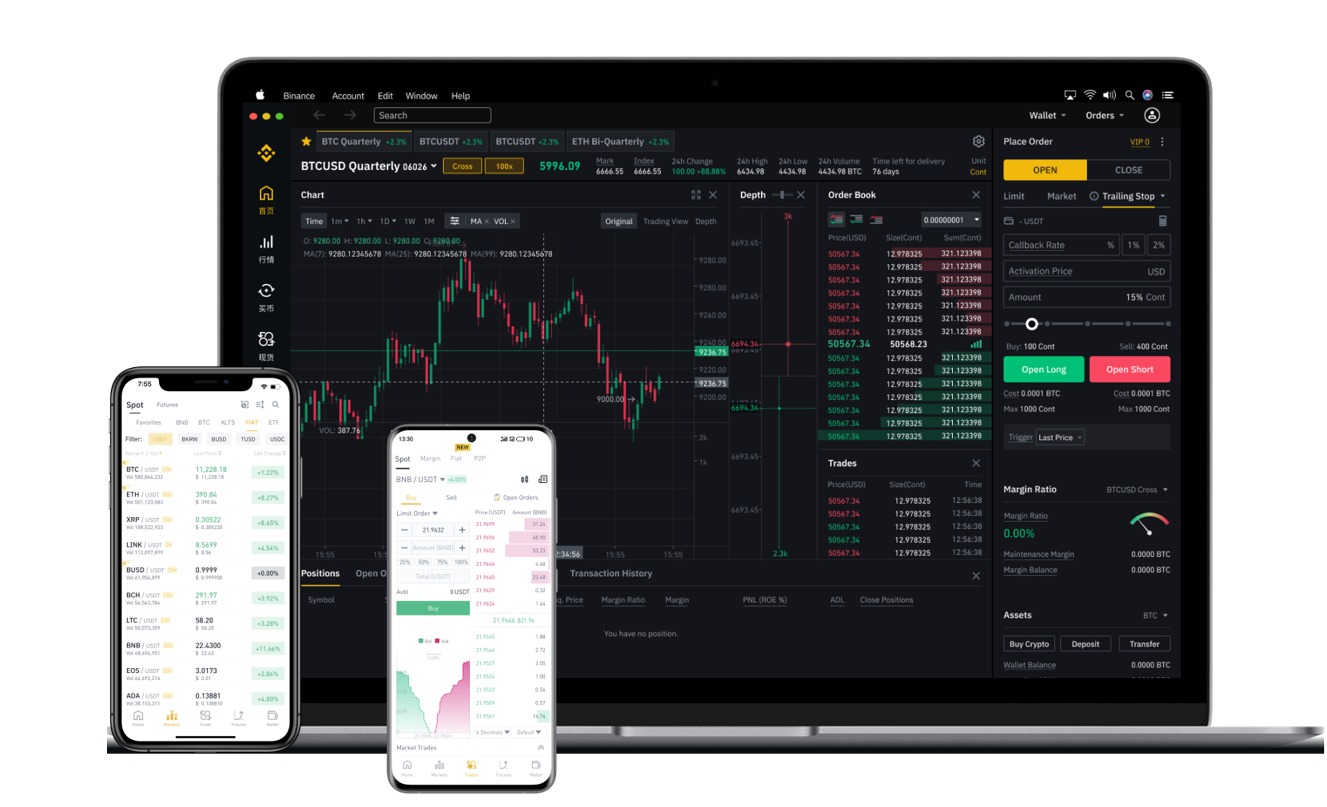
First, it is essential to distinguish between a “powered by Binance” sub-exchange and a fully independent partner exchange under the Binance Cloud offering. Binance Cloud allows entities to launch a localized exchange rapidly. To begin, applicants must submit a detailed business plan and pass Binance’s compliance screening. Once approved, the sub-exchange operator gains access to Binance’s core matching engine, wallet infrastructure, and liquidity pools. The technical setup involves deploying a customizable front-end interface, integrating Binance’s API for order routing, and configuring KYC/AML modules aligned with local regulations.
Operation management requires a dedicated team. The operator handles customer support, fraud detection, and localized marketing, while Binance provides backend security and deep order books. To maintain Binance’s reputation, the sub-exchange must enforce strict trading rules, such as delisting tokens that violate compliance standards. Profit sharing is typically structured via fee revenue splits, with the operator retaining a majority share after covering Binance’s technology licensing costs.
User acquisition strategies should emphasize the trust factor of the Binance brand. “Listed on Binance” or “Powered by Binance” tags often increase user confidence. Operators should also implement referral programs, zero-fee trading promotions, and local-language support. For example, a sub-exchange targeting Southeast Asia might highlight support for local fiat on-ramps and transaction speed. Marketing campaigns should focus on security features, such as the Secure Asset Fund for Users (SAFU), which is often inherited by incubated exchanges.
Risk management is another critical pillar. While Binance handles global server redundancy, the operator must run a local risk control unit to monitor for wash trading or flash crashes. Daily liquidity reports and automated circuit breakers should be configured within the Binance Cloud dashboard. Additionally, legal compliance cannot be overlooked. Operators must obtain necessary licenses in their jurisdiction, as Binance has increasingly enforced regional regulatory alignment in recent incubation partnerships.
Finally, continuous optimization is key. By analyzing trading volume data provided by Binance’s backend, operators can adjust trading pairs, adjust margin limits, and launch promotional events during volatile market periods. Successful sub-exchanges often evolve by adding proprietary tokens or unique staking products, as long as they remain within the incubation agreement’s boundaries. With direct support from Binance’s ecosystem team, sub-exchanges can capture market share while reducing the technical burden of building an exchange from scratch.