Binance Customer Service Phone Number & Contract Trading Rules: A Complete Guide for 2024
Binance remains one of the most widely used cryptocurrency exchanges globally, offering a vast array of trading products. Among these, Binance Futures and its contract trading (also known as derivatives trading) are particularly popular due to their potential for high returns. However, navigating the complexities of contract rules and finding reliable customer support can be challenging. This guide consolidates key information regarding the Binance customer service phone number and essential contract trading rules.
First, it is critical to clarify a common misconception: Binance does not offer a direct, toll-free customer service phone number for general account or technical support requests. Unlike traditional banks or brokerages, Binance primarily operates through a digital-first support model. The most effective way to reach support is through the official Binance Support Center, accessible via the app or website, where you can submit a ticket. For urgent issues related to account security or fund withdrawals, the platform offers live chat (text-based) and, in some regions, a call-back service. If a user searches for a "Binance customer service number," they are often redirected to a verification page or a community forum. Beware of scam numbers found on search engines; always use the verified contact information listed on the official Binance website.
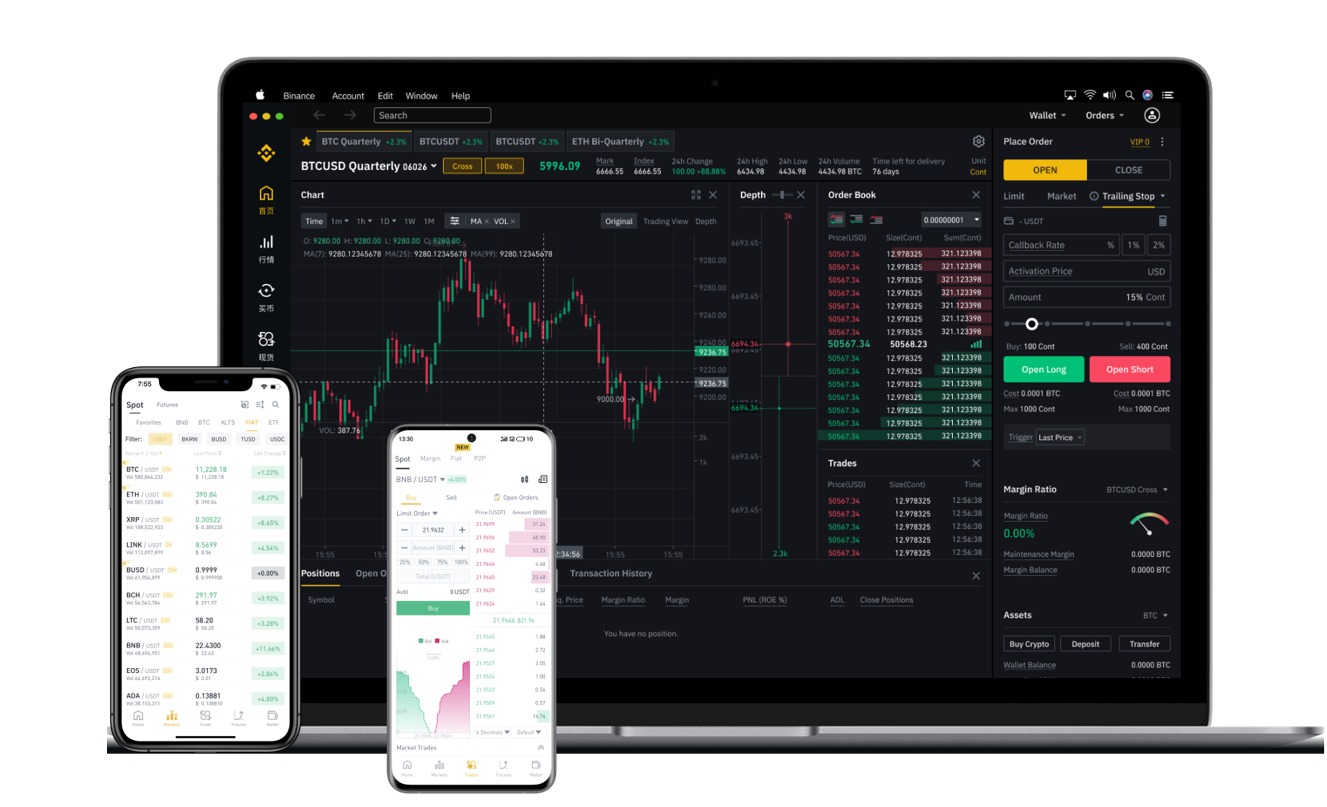
Regarding contract trading rules, also known as futures rules, users must understand the mechanics before opening a position. The core components include leverage, margin, and liquidation. Binance offers both USDⓈ-M and COIN-M futures contracts. Key rules to remember include: 1) Leverage: This multiplies both gains and losses. Beginners should start with low leverage (e.g., 2x-5x). 2) Margin: This is the collateral required to open a trade. Isolated Margin limits risk to that specific position, while Cross Margin uses your entire futures wallet balance to avoid liquidation. 3) Liquidation Price: If the market moves against you and your margin falls below the maintenance level, your position will be liquidated. It is crucial to set a Stop-Loss order to manage this risk.
Additional critical contract rules include the Mark Price system. Binance uses a "Mark Price" instead of the last traded price to calculate unrealized PnL (Profit and Loss) and trigger liquidations. This prevents market manipulation and sudden price spikes from causing unfair liquidations. Furthermore, every trader must understand the funding rate mechanism, especially for perpetual contracts. Funding rates are periodic payments between long and short traders to keep the contract price close to the spot index price. High positive funding rates indicate the market is overly bullish, which can make holding long positions expensive.
Finally, always verify any "Binance phone number" you find online. Scammers often impersonate Binance support. For contract trading queries or account issues, the most secure path is to use the in-app help center. Understanding the Binance contract rules—from leverage and margin to mark price and funding rates—is essential for protecting your capital. If you encounter a problem, do not call an unknown number; instead, use the official Binance website to locate the correct support ticket system or live chat feature. Combining this knowledge with cautious trading strategies will help you navigate the futures market more safely.