How to Check Binance Transaction History: A Complete Guide for Users

For anyone actively using the Binance exchange, understanding your "transaction flow" or "流水" is a fundamental part of managing your crypto portfolio. Whether you are a day trader, a long-term holder, or someone who just sends and receives digital assets, knowing how to view and interpret your Binance transaction history is crucial for tax reporting, security audits, and portfolio tracking.
First, it is important to distinguish between different types of transaction records on Binance. The platform maintains separate logs for spot trading, futures trading, margin trading, and wallet deposits or withdrawals. The most commonly searched "流水" typically refers to the wallet transaction history, which shows all incoming and outgoing funds.
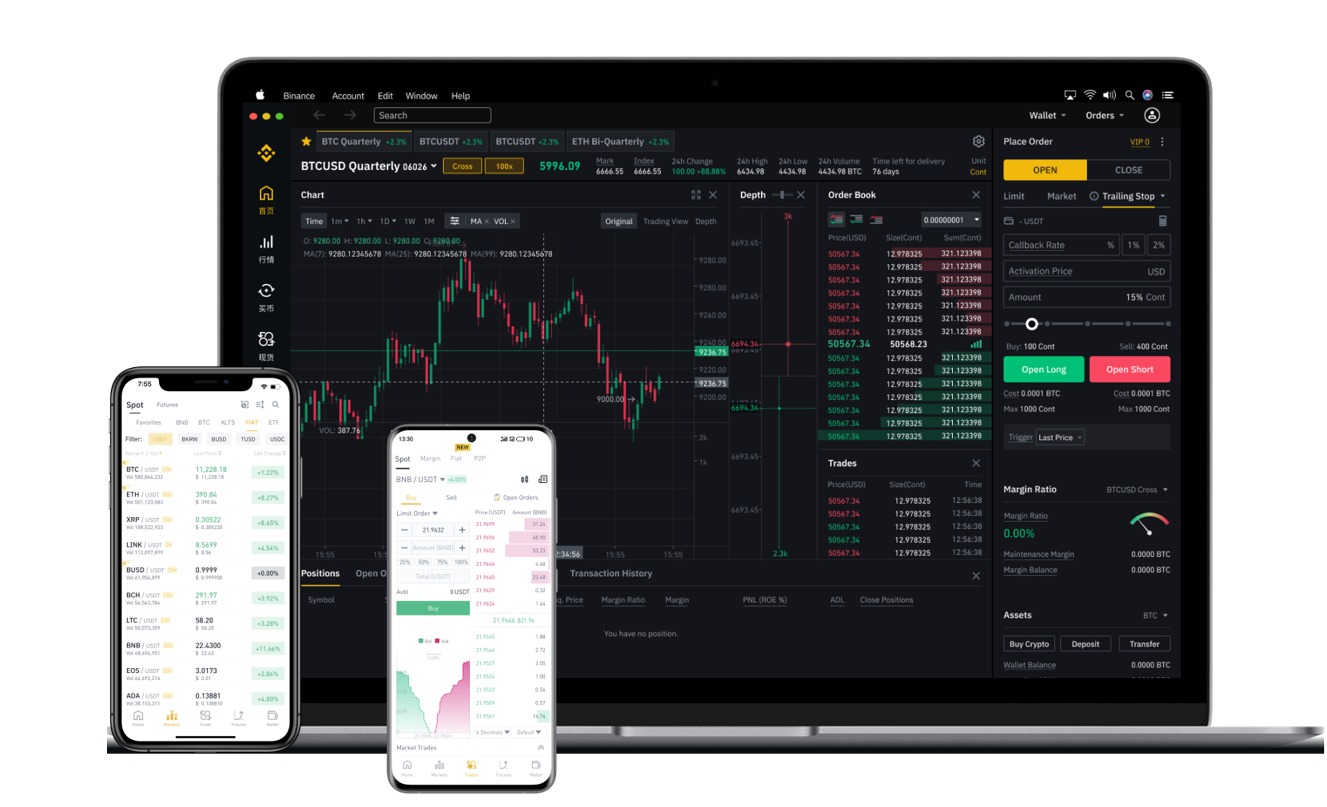
To access your complete Binance transaction history, log into your account and navigate to the "Wallet" section. From there, select "Transaction History." Here, you can filter your records by coin type, date range, and transaction type (deposit, withdrawal, or transfer). For spot trading records specifically, you need to go to the "Orders" tab and select "Trade History" to see every buy and sell order you have executed.
One of the most valuable features of Binance’s transaction flow is the ability to download a CSV file. This file contains a detailed, time-stamped log of every action taken on your account. This is particularly useful for users who need to provide proof of funds for bank loans, visa applications, or tax authorities. The CSV report includes fields such as "User ID," "Time," "Coin," "Amount," "Transaction Type," and "Status."
For users concerned with privacy or security, reviewing your transaction history regularly is a best practice. If you see any unknown or unauthorized transactions, it could be a sign that your account has been compromised. Binance also offers an "API Management" page where you can check if any third-party applications are accessing your account and generating automated trades or transfers.
It is also worth noting that Binance has different transaction fees depending on the type of activity. For example, spot trading fees are typically 0.1% per trade, while withdrawal fees vary by blockchain network. Your transaction history will clearly show these fees deducted from the total amount, giving you a transparent view of your actual net inflows and outflows.
Finally, if you are looking for a comprehensive overview of your financial activity on the exchange, the "Transaction Summary" report within the "History" section can aggregate data across multiple wallets. This is the closest thing to a full "流水" statement that Binance offers. By mastering these tools, you can maintain a clear, auditable record of all your crypto movements, ensuring you stay organized and compliant regardless of your trading volume.